Building Better Scenes by Thinking Beyond the Character
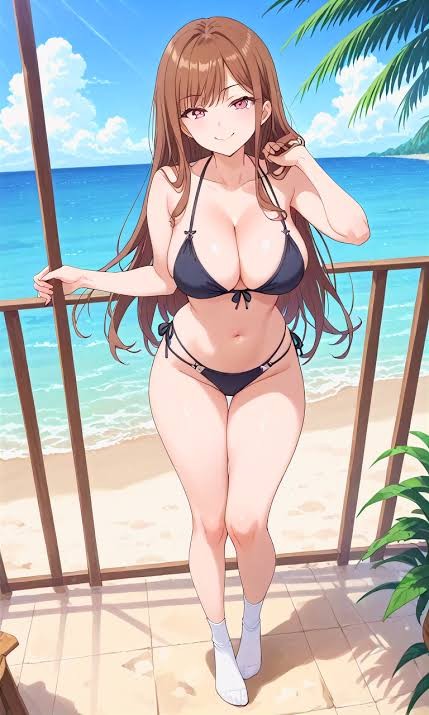
An environment (location), item (object) , color, or some unusual combination of things that caught your eye may have been what started it off for you. You think about an empty room, a busy night market, a quiet bedroom, or a physically impossible land and wonder who/what lives there.
Before, this method of creating an image could be a better way to visualize your ideas. The main reason is that you are putting the character in their own world as opposed to just placing them in front of a background.
With all the new technologies now available, it's much easier than ever before to test out many different ways to create a fictional world and its environment. You can test with various backgrounds, compositions, lighting options, and possible characters before settling on your first version. Other tools like AI hentai show how far we have progressed from using tools for generating artificial content through AI and also the potential for these tools to develop into specific categories (i.e., hentai) where other tools are designed for illustration, animation, video, and designing characters
Begin With a Place
Choose the setting first and then consider the character.
This could be a small apartment, an empty train station, a rooftop, a hotel lobby, a trail in the woods, or somewhere completely made up by your mind.
Now that you know where this is taking place, you'll immediately establish some of your creative limits.
Ask Who Would Fit There
Now create a character for this environment. You don't need to pick an entirely random person; you should consider what type of person would normally live in that setting.
What will they wear? What are they going to be doing? Will they fit into their surroundings, or will they be completely out of place?
Give the Scene a Small Story
You don't have to come up with some grandiose narrative.
For example, having your character arrive at someplace; wait for someone; search for something; take a moment of peace - anything really - will give it an apparent reason for being there.
You may want to tell the viewer everything about what happened to get them to where they are now. But you only need to provide them with enough so that it appears something has occurred.
Make the Environment Specific
Generic locations are capable of creating the perception that even good characters seem to be interchangeable.
Consider what makes this setting "real" by creating some specifics about it.
What is on the table in front of you? What do you see out of your window? Are there things on the wall? Is the room organized or cluttered?
Adding a few well-defined elements will make an enormous amount of sense when compared to randomly placing dozens of generic items.
Use Weather to Change the Mood
The easiest method to manipulate your audience’s perception of how a scene makes them feel without drastically altering what they are seeing is through weather.
Rain can give an air of quietness to locations where people would normally feel at home. Sunshine can create feelings of open space and energy.
Fog creates difficulty in seeing a large amount of the surroundings. This can bring up feelings of mystery or/and ambiguity. Try altering the weather (rain or sun) and keep consistency with the character and location.s.
Let Lighting Tell the Story
Typically, people do not pay enough attention to the quality in which lighting is achieved.
The moment you walk into a room with good lighting, you immediately perceive it as having some type of emotional reaction. On the other hand, when the majority of your lighting is created from light entering through windows, you are telling the viewer (audience) something entirely different about the space than what they would see inside the room.
Lighting by candles; neon signs; street lights; computer monitors; overhead lights, etc., can evoke many different moods and/or atmospheres.
Create a Strong Point of Interest
You don't have to draw every detail of your picture.
Identify the one thing that is most important to get someone looking at your picture first (for example, a person, an unusual object or an object that does not seem to belong, a door, a background).
Once you know what this thing is in your picture that will hold people’s eyes longest, then all of the other things in your picture are there to help lead the eye back to that one thing.
Try Unusual Combinations
Some of the most effective ideas are created when you combine elements that normally do not go together.
Inside a historical structure, a modern interior. In a vast, urban, industrial landscape – a tranquil, peaceful garden. A dignified individual in complete chaos.
The opposing forces create interest.
There is no need for a reason as to why these contrasting elements exist. The fact that they seem so unusual is often enough.
Move the Camera
If you don't get that "ordinary" feeling about your scene from the subject, try changing the way it is viewed.
Move closer to the subject. Move farther back from the subject. Give the viewer a better view of where they are. Frame your subject with an object or a door.
Making small changes in how things are viewed will greatly affect how the viewer relates to the scene.
Give the Foreground Something to Do
Foreground objects help to create an illusion of space by helping to block the view in front of you.
Examples of foreground objects include doorways, plants, pieces of furniture, railings, etc. These can be used to frame the scene, giving your viewer the impression that they're in the environment itself.
Foreground objects will prevent the background from looking like it is a flat image that has been simply "pasted" behind the subject.
Do Not Be Afraid of Empty Areas
A completely packed image can become difficult to read.
Leaving part of the frame quiet can actually make the important elements stronger.
Space can also create a particular mood. It might make a character feel isolated or make a large environment seem even larger.
Sometimes removing an object is the best change you can make.
Change the World Around the Same Character
Once you have a character you like, keep them and experiment with everything else.
Put them somewhere unfamiliar. Change the time of day. Alter the weather. Try a different visual style.
This can show you which parts of the character are genuinely distinctive and which details were only working because of the original setting.
Use Recurring Details
Make sure all of your images have some kind of connection so that they appear as part of a whole series.
These connections may include: a particular shade or hue, buildings, objects, types of lighting, or architectural details.
You don't necessarily have to show this commonality the same way each time.
Explore AI as a Sketchbook
AI does not always need to produce the final artwork.
It can also function as a visual sketchbook.
Use it to test an environment. Try a strange composition. Explore a color palette. See what happens when you combine two ideas that normally would not be used together.
The result can simply help you decide what to do next.
Specialized AI Offers More Focused Creative Paths
AI-generated content has become much more diversified and specialized.
As well as platforms that are a specific type of fiction, AI Hentai, there also exist many other types of tools in order to assist with illustration, animation, video creation, storytelling, etc.
The increasing diversity offers more opportunities for creators to be able to use their preferred tools based upon what they want to create.
Treat Each Generation as a Scene Study
A created graphic doesn't necessarily have to look finished right after it has been made.
The creator of the graphic could use this as an opportunity to determine how different components are related (characters, environment, lighting, composition, etc.) to each other.
The graphic may also provide a starting point for altering certain elements of the original design or creating a new version that is based upon knowledge gained from examining the relationships previously noted.
Experiment With Empty Space
The absence of detail can sometimes be just as important as the details themselves.
Open areas within a composition can emphasize a character, create visual balance, or provide a sense of scale.
Testing different amounts of empty and occupied space can change the entire feeling of a scene.
Develop Visual Connections
Separate scenes can become connected through recurring visual choices.
A particular architectural feature, color, object, lighting approach, or environmental detail can appear throughout a project.
These repeated elements create relationships between images without requiring them to share the same composition.
Let the Scene Evolve
Even though you don't have to create an exact version of your original ideas, experimenting with your creative scene could result in better surroundings, better composition, and/or better visuals.
Also, creators should be allowed to let discoveries affect their subsequent revisions rather than treating their original concepts as unchangeable.
Human Decisions Shape the Scene
The creator will ultimately make a decision on which elements to include in the scene as well as the intended message that is conveyed by the scene through their choices of details they wish to keep or eliminate, and how the elements are used to create an atmosphere for the scene as it relates to the overall production.
Final Thoughts
There are many ways that a good fiction scene can come together.
Location, atmosphere, weather, objects, people, composition, and repetition all connect to make a sense of place or a visual way to see how everything feels connected and intentional.
There has never been greater opportunity for writers to use AI to develop those connections. Ultimately, whether one of those things connects better than another and ultimately serves the writer’s vision is up to the writer.