When the Setting Becomes Part of the Character
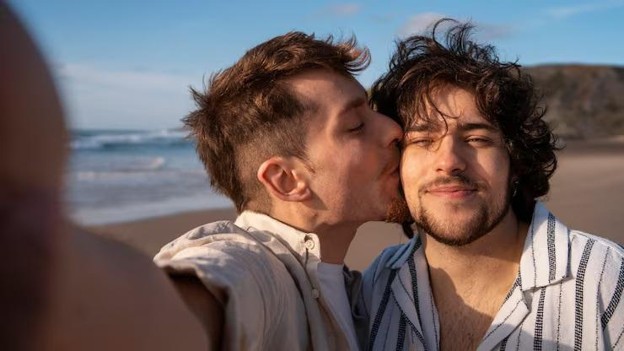
A character's environment tells you much about their personality prior to their words or actions. For example, an individual in an overcrowded urban area has a vastly different image than a person by themselves in a peaceful atmosphere. The action(s), location and surrounding areas create a perception of the individual based upon these items.
Therefore, instead of viewing the "setting" as an addition to your "character," the two could start together.
The rise of AI has made it possible for artists to explore and collaborate on creating both environments and characters simultaneously. These collaborations have allowed the artist to determine how to best depict both and what will feel most authentic. There are many new forms of fictional AI-generated content emerging, including but not limited to: illustrations, animations, videos, and also examples like AI Gay porn, which provide unique methods for individuals to express themselves through art.
Start With the World
Many times, when you create a character, all you have to do is establish the environment around them first.
Create a visual picture of where this person lives. This could be anywhere from a downtown street corner to an apartment to a small artist studio to a hotel room to an office — or somewhere entirely new.
Once you have established the location of your character’s environment, it can aid in making future decisions on clothing your character wears; level of activity they possess; amount of lighting used; and even their overall demeanor.
Let the Location Influence the Character
A person ought to be able to recognize that he or she belongs in a given location where they are placed.
If someone is dressed formally at an office, it would seem odd for them to just suddenly appear somewhere else where everyone is casual. However, the reverse can also occur.
Considering how well the people fit into their location will help make an image look more realistic.
Give the Scene a Reason
A beautiful image of a person can also give you an impression that it lacks some kind of substance (or "substance" in the figurative sense).
You can easily overcome this feeling by thinking on why this person is standing in front of your camera.
They may be waiting for someone. They may have just gotten to their destination. The subject of your photo may be busy with work. Or he/she/it is searching for something. He/she/it is resting from his/her/its work. Or he/she/it is seeing a new area which he/she/it has never been to before.
Look at the Background Differently
You don't want the picture you're using for your background to take away from the image of the main subject in your photograph.
Using a few strategically placed items could have just as much impact as cluttering up all available spaces with pictures.
Examples of things that will give the viewer some clue about where this picture was taken include: a desk; a painting; something that belongs to the character; a window; a lamp; etc.
Think About What Happened a Moment Ago
One method to begin exploring this type of thinking would be to focus on exactly what happened immediately preceding the time frame of the action occurring within the scene.
Perhaps they heard their own name called out. Maybe they saw a small detail at some point during a long shot. The last physical thing they could have done was complete an activity or walk to the exact location where the actor is standing.
The audience doesn't have to know the answer. However, when the person who created the content knows what just transpired it will make those actions appear much more realistic, as if the actors are truly reacting to something real.
Use Contrast When It Helps
Characters don't have to be perfect fits in their surroundings. The opposite could often make for a stronger image.
In a crowd, a quiet character can be noticeable. In a dull setting, brightly colored clothing will be noticed. When there's an old setting with a modern character, you'll notice both are different.
You need a reason for the differences you create, so you're creating them, not just because you want something contrasting.
Keep the Character, Change the World
The moment your character has been developed enough that you feel comfortable with it as an individual, take your character to a completely new environment.
While keeping the key characteristics (hair color, height, etc.) in place, change everything else about your scene (location, action, light source, mood) and see what features make up your character.
Give Props a Purpose
Random props seldom help an image.
A prop works better when the object helps tell who your character is, what he's doing, etc.
Examples of objects that provide clues are books, phones, bags, cameras, instruments, tools, and other items related to a person.
Props also allow you to have interaction for your character as opposed to standing there.
Try Different Times of Day
The same place feels entirely new at different times.
In the morning, daylight makes an area look clean and calm. In the evening (or at night) light gives that same space a different ambiance. At night, the same space is changed once again.
While you maintain your main location, you have options to create different settings for time, light, and activity around you. These changes in themselves will allow you to develop multiple versions of the same concept.
Bring Certain Places Back
Repeating the same location for many of your images has its advantages when you have multiple photos of similar things happening in one place.
You could use a single room, a single building, a single street, a single park, etc. and show the main character(s) doing completely different things on each occasion. The audience will have a reference point so they'll understand that it's all part of the overall story.
AI Gives Creators More Ways to Experiment
With each passing day, artificial intelligence (AI) generated content continues to become more targeted by type of audience, format, or interest. Some platforms include multiple categories while others specialize in one category.
The "AI Gay porn" platform is an example of a single category of fictional AI-generated content. There are many other platforms for creating characters, illustrations, animations, videos, edits, and telling stories using AI.
This offers the opportunity to select a workflow based on what will best meet the needs of your project and eliminates the need to use one tool that attempts to do all those things.
Change the Camera, Not the Character
Sometimes the idea is fine, but the framing is not.
Try moving closer to the character. Then try stepping back and showing more of the environment.
A close view puts more attention on the person. A wider view tells the viewer more about where they are.
The character has not changed, but the image can feel completely different.
Leave Some Space
There is no obligation to fill up all the corners with content in your images.
In fact, space will often enhance the focus on the main subject as well as give it the impression that the scene around it is wider.
Space can also be used to create a less chaotic composition since you've already added so many elements or details elsewhere in the image.
Removing one element can sometimes improve the quality of your image more than if you were to add yet another detail.
Use Small Details to Connect Scenes
A project may have many repeating elements; yet the repeated element will never create an identical-looking shot.
Perhaps the same color will be used periodically throughout the shots. Maybe there is some furniture, accessory, building detail, or item that returns on occasion to other areas in your shooting location.
In addition to creating continuity in this way, these small details can subtly create a relationship with each separate image as well.
Although the viewer may not consciously recognize all the repeated items, they can still create a cohesive feeling among the different photographs you are taking.
Learn From the Generations That Do Not Work
Not all of the results need to work out well.
A failed generation can teach you something that will help with your project.
Perhaps the image in the background was too cluttered. Maybe the lighting didn't match the mood or tone for the character. Or maybe the character blends into the scene so much they are almost invisible.
When you know why a generation failed, you have a concrete example to use when you want to do it differently the next time. That may be as useful (or even more) than creating another image based on an unknown set of criteria.
Do Not Ignore Happy Accidents
At times the very best ideas will occur because of results you never thought would happen.
The background could be far superior in its execution than initially imagined. The unique way that an element or several are arranged can create a visual impression much like what nature creates.
An unanticipated combination of elements, (backgrounds, sky's) etc., may lead to a totally new interpretation of your intended subject matter.
Do not eliminate a working idea simply because it was unplanned.
Avoid Making Every Scene Look the Same
Too much consistency becomes repetition.
You want to keep enough of the elements of a character consistent so they remain identifiable. The rest of the time you can be as creative as possible with location, activity, clothing, lighting, and camera position.
Let the Idea Change
Sometimes you have to be willing to make changes in your creative process when a good alternative comes up.
Sometimes a background can end up becoming the main attraction. A prop that is used will sometimes inspire a whole new setting or scene. Even a location that was originally chosen for one project can turn into a totally different character idea.
Many times, creative works will go through many changes during the time that they are created. AI has just helped create these changes as much easier to try.
Final Thoughts
A character and its environment are not always created separately.
The characters' surroundings (place, objects, lighting), along with activities and other details, can contribute to a sense of how the character presents itself. When you get enough of these elements working in concert, even a simple image or scene can create a feeling of a larger backstory for that character.
Using AI to test multiple variations and make changes based on what doesn't work well helps. Rather than generating new generation after new generation, your time will be best spent paying attention to any "good" ideas that develop during this process and building upon those.